
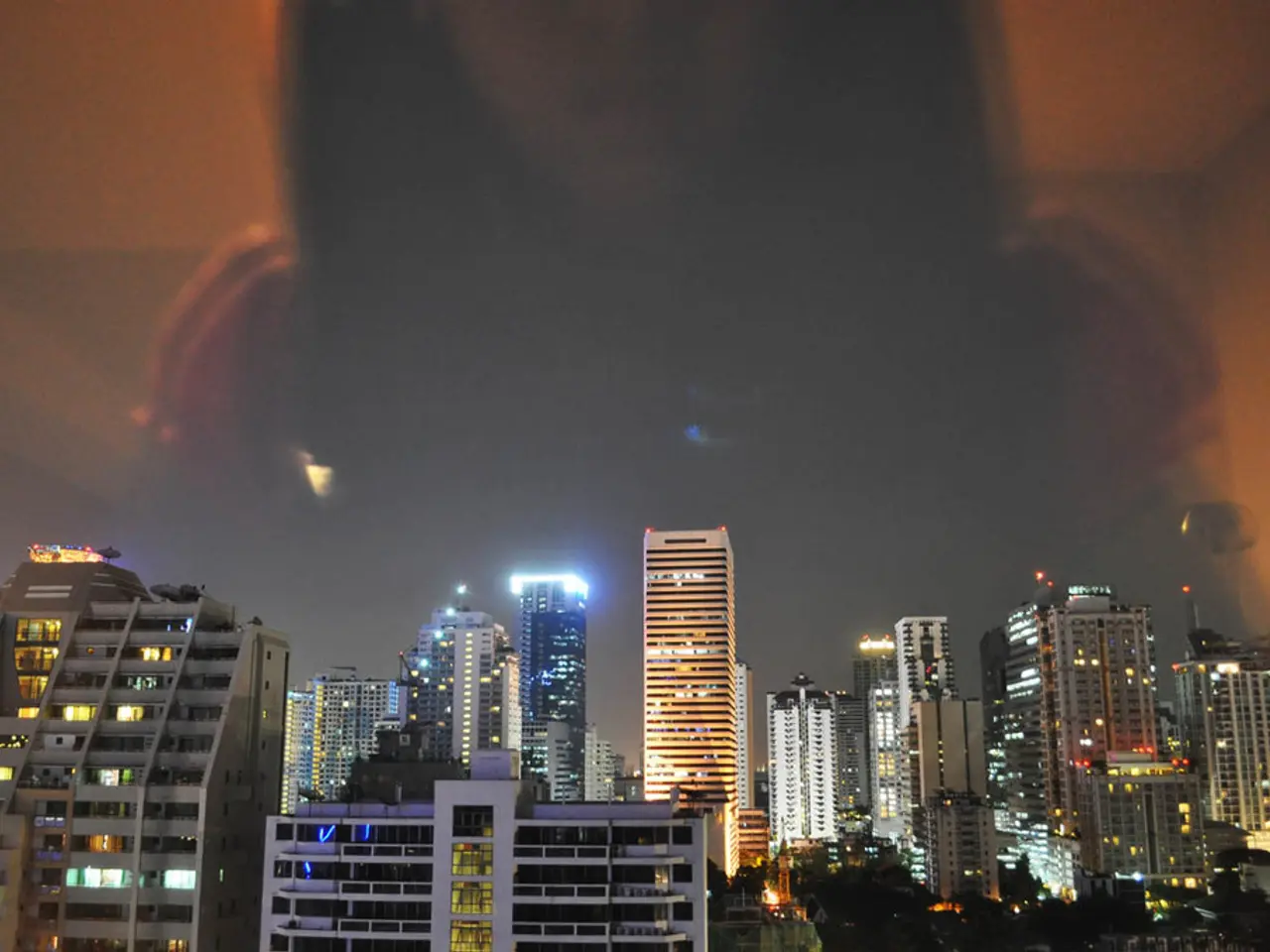
Adapting to the digital age: Street lights become intelligent and responsive
In an era where energy efficiency and cost savings are paramount, the lighting industry is evolving to meet the demands of modern urban infrastructure. One such initiative leading this charge is licht.de, a German industry group dedicated to optimising energy efficiency, scalability, and flexibility through digital control technologies in municipal lighting.
Licht.de's light management systems focus on automating street lighting based on ambient conditions and usage needs. These systems typically incorporate sensors, automated controls, and network connectivity to adjust street lighting dynamically, ensuring adequate visibility for all road users while minimising energy consumption.
Two key technical variants dominate the individual light point control scene: systems with direct mobile network connection and light management systems with a local wireless network. These solutions allow for remote management of individual luminaires or groups of lights, enabling municipal authorities to monitor performance, schedule lighting patterns, and adjust brightness levels or power states as needed.
One of the primary benefits of these systems is their ability to dim and switch lights based on real-time ambient light. This feature, enabled by photocells or astro clocks that detect dusk, dawn, or cloud cover, can significantly reduce energy consumption during off-peak hours or when natural light is sufficient.
Moreover, the integration of smart sensors that detect motion, traffic, or environmental factors further enhances these systems' efficiency. These sensors allow for dynamic management of lighting intensity and coverage, improving energy savings and user experience.
Scalability and flexibility are crucial aspects of licht.de's offerings. Their systems can be expanded or tailored to different lighting needs in urban infrastructure, offering both simple switches and advanced automation options.
These smart lighting solutions have already been successfully implemented on nature-like cycle and footpaths, car parks, and in residential areas. They not only help meet increasing legal requirements for energy savings but also contribute to reducing light pollution during periods without detection, as autonomous light control systems switch to a sleep mode to conserve energy.
For renovation and new construction projects, individual light point control is a versatile solution. Each luminaire receives a control controller, and existing control cabinets of the previous lighting can be retrofitted with modern control controllers for group control (string control).
While licht.de's specific system names or proprietary technologies are not documented in the search results, they align with industry trends in connected LED lighting controls and smart urban lighting infrastructure. For precise system names or detailed operation modes specific to licht.de, it is recommended to consult licht.de's official publications or contact their representatives directly for the most current and accurate information.
Licht.de offers comprehensive services, practical tips, and lighting examples for architects and planners, journalists, and end-users through the information portal www.licht.de and the series "licht.wissen" and "licht.forum". By embracing these smart lighting solutions, municipalities can not only reduce their operating costs for electricity and maintenance but also enhance the aesthetic appeal and sense of security through nighttime lighting.
- The renewable-energy industry, particularly the lighting sector, is evolving to prioritize energy efficiency and cost savings in modern urban infrastructure.
- Licht.de's focus is on automated street lighting systems, which utilize sensors, controls, and network connectivity to dynamically adjust lighting based on ambient conditions and usage needs.
- Financing and managing individual light point control systems can be done remotely, with options for local wireless network or direct mobile network connections.
- The integration of smart-home devices, gadgets, and technology, such as motion sensors, traffic sensors, and astro clocks, enhances these systems' efficiency by enabling dynamic management of lighting intensity and coverage.




