
Global Plastics Agreement Deadline Approaches in 2025 Geneva
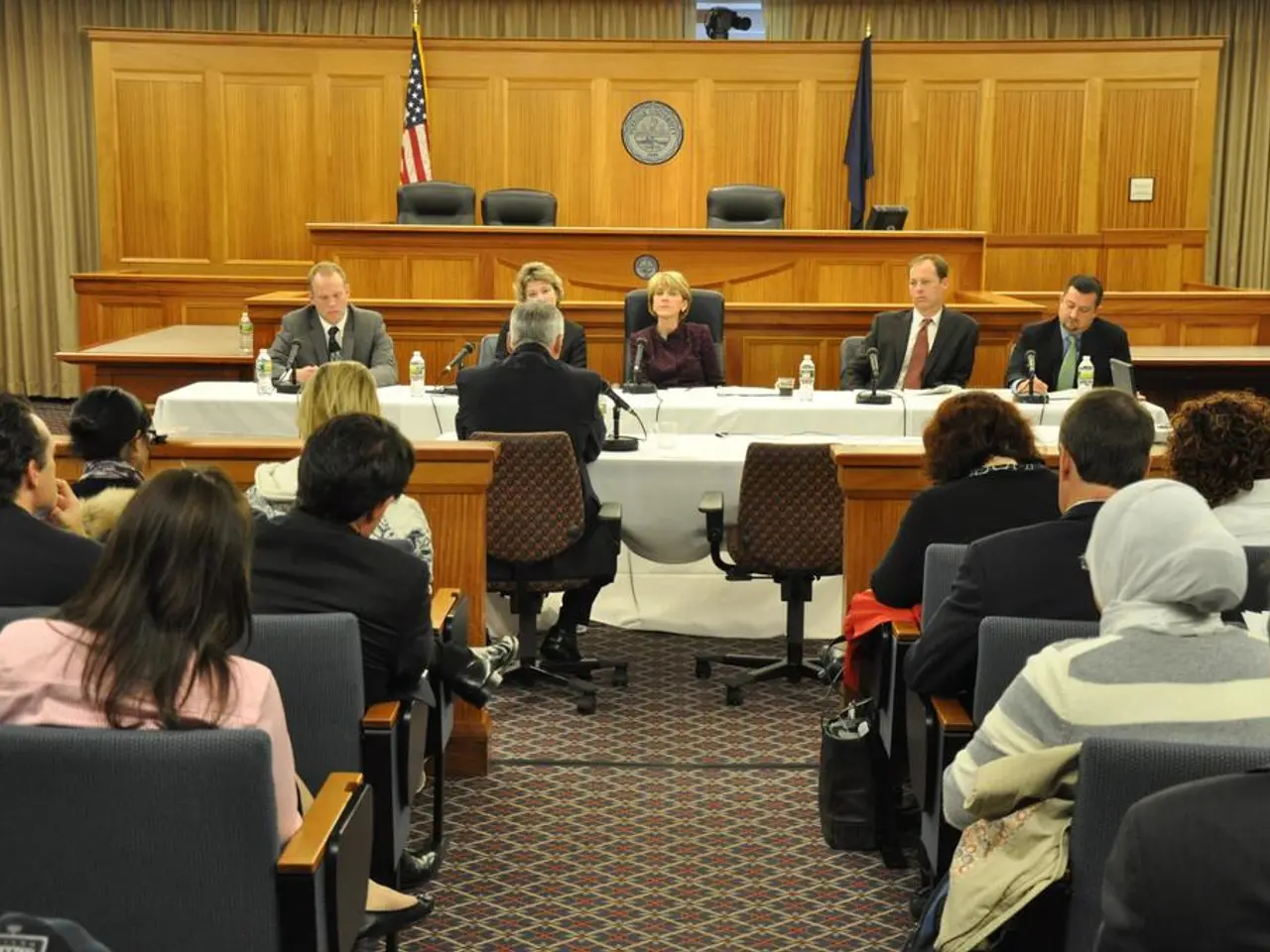
The world is gathering in Geneva, Switzerland, for the second part of the fifth session of the UN's Intergovernmental Negotiating Committee (INC-5.2), from August 5 to 14, 2025. The mission? To finalize a legally binding global treaty to combat plastic pollution across its entire life cycle.
Phased Reduction on Plastic Production
Negotiators are emphasizing a global phased plan to cut down on primary plastic polymers (PPP) production. This involves setting clear targets to steadily reduce plastic production, restricting trade of plastic polymers between treaty parties and non-parties, and redirecting financial subsidies from virgin plastic production towards sustainable alternatives.
Prioritizing Reuse over Recycling
Recycling alone is insufficient, according to the treaty discussions. The focus is shifting towards reuse, refill, and repair systems, which are placed higher in the waste management hierarchy than recycling. Equitable financial and logistical support for developing countries to implement reuse systems is also critical.
Industrial-scale Chemical Recycling Innovations
Advancements like chemical recycling of PET show promise for enabling a sustainable circular economy. Unlike mechanical recycling, chemical recycling breaks down PET to its molecular components, allowing infinite recycling without material degradation. The first industrial-scale plant using this technology is scheduled to open in Lyon, France, in 2027, with a capacity to recycle 30,000 tonnes of PET annually.
The Role of Supercritical CO2
Supercritical CO2 is being used as a solvent to break down plastic waste without toxic chemicals, opening new avenues for chemical recycling. This approach aligns with clean manufacturing goals and contributes to the treaty’s objectives by reducing plastic production and plastic waste at source.
Addressing the Full Plastic Lifecycle
The full life cycle of plastics, including design and production, chemicals management, and disposal, is a key issue in the negotiations. The treaty aims to create legally binding measures that can achieve significant and sustained reductions in plastic pollution by 2040, while addressing environmental, economic, and social dimensions of the plastic lifecycle comprehensively.
Industry's Role in the Treaty
Industry leaders have a role to play in turning ambitions into engineered outcomes in the context of the Geneva treaty talks. Decentralized micro-factories, like the one in Marseille, minimize transport emissions and support local economies, making them critical in implementing treaty mechanisms in regions lacking large-scale infrastructure.
The Stakes
Environmental and health advocates warn that without binding commitments, plastic pollution will worsen ecosystems, human well-being, and economic burdens, particularly for vulnerable communities. Health concerns are central to the negotiations, with a recent Lancet report linking plastic exposure to diseases including cardiovascular illness, cancer, diabetes, and increased infant vulnerability.
Success in the negotiations could produce the first global treaty to curb plastic pollution, potentially enforcing limits on production, harmful chemicals, and bolstering circular economy models. On the other hand, failure or a diluted compromise may leave governments depending on weaker downstream measures like recycling, while plastic production continues to rise unchecked.
[1] [UNEP, 2023] [2] [UNEP, 2024] [3] [UNEP, 2025] [4] [UNEP, 2026] [5] [Carbios, 2027]
- The role of science and technology in developing sustainable plastic production methods, such as chemical recycling and the use of supercritical CO2, is crucial for achieving the treaty’s objectives of reducing plastic pollution and promoting a circular economy.
- The environmental-science community stresses the importance of addressing the full lifecycle of plastics, including their design, production, and disposal, to ensure significant and sustained reduction in plastic pollution by 2040.
- Finance plays a pivotal role in implementing the treaty, as it will dictate whether financial subsidies are directed towards sustainable alternatives rather than virgin plastic production, and whether equitable support is provided to developing countries for implementing reuse systems.
- The manufacturing industry has a significant role to play in transitioning to sustainable plastic manufacturing methods, including the adoption of decentralized micro-factories, which can support local economies and minimize transport emissions, aiding in the implementation of treaty mechanisms in regions lacking large-scale infrastructure.




