
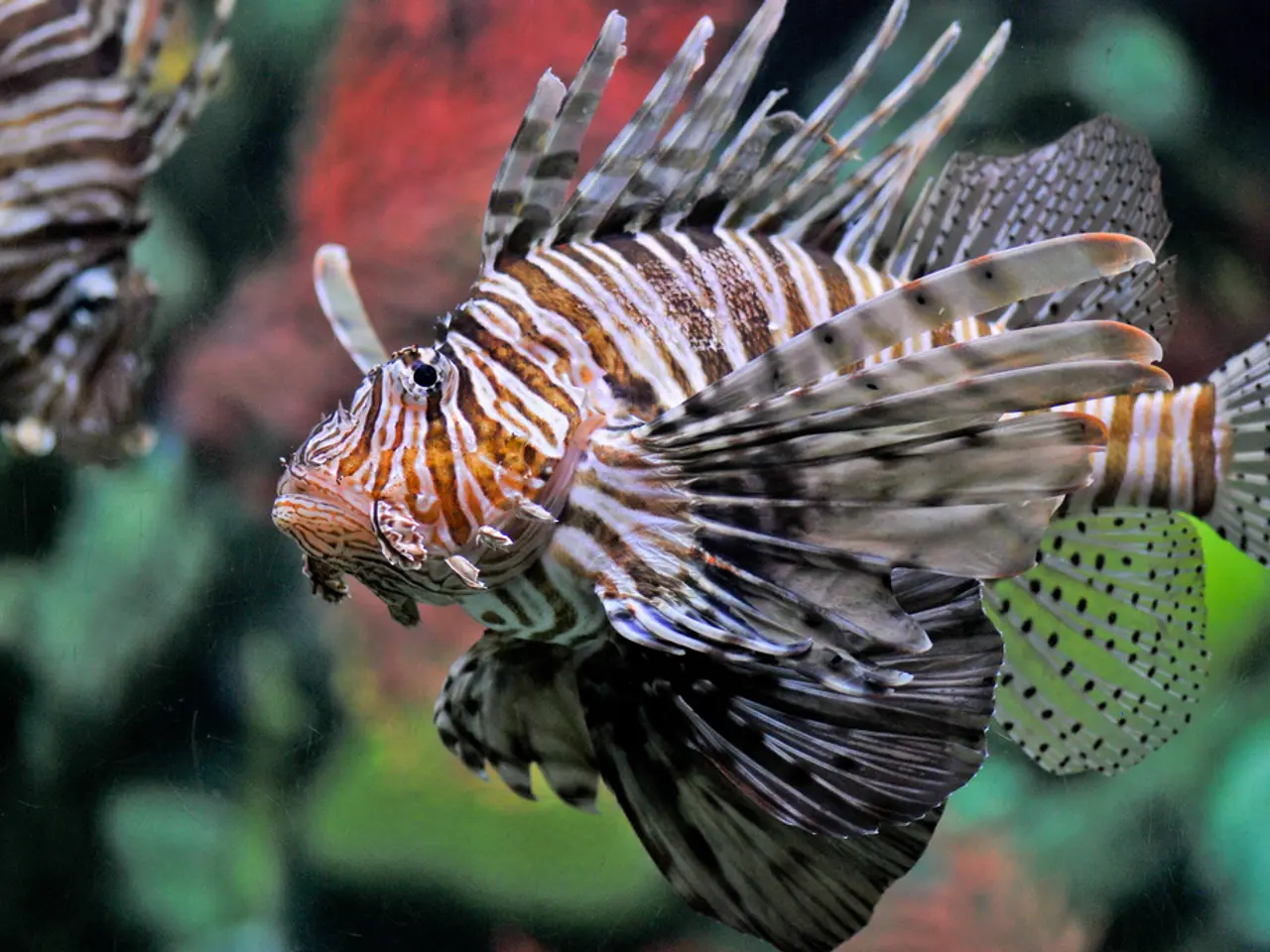
Import of fish in the Krasnodar region saw a significant drop, amounting to a decrease of 1.7 times
In 2025, the Krasnodar region experienced a significant decrease in fish and seafood imports compared to the previous year. This decline can be largely attributed to the severe environmental impact caused by a massive oil spill in the Black Sea in December 2024.
The spill, which released over 4,000 tons of fuel oil, caused persistent pollution and resulted in government-imposed restrictions along the Black Sea coastline. This contamination, along with ongoing cleanup efforts, severely disrupted local fisheries and seafood supply chains. Additionally, the spill has crippled tourism and economic activity in key areas like Anapa, reducing demand and logistical capacity for seafood imports.
Other contributing factors include the federal emergency status and ongoing cleanup operations in the Krasnodar region and adjacent areas, which complicated normal maritime activities and seafood trade. Furthermore, the reduction in the availability and functionality of coastal infrastructure and businesses due to declines in tourism and economic disruptions may have impacted the cold storage, transport, and retail of fish and seafood.
Indirect factors that might have played a role include broader economic and agricultural pressures in Russia in 2024-2025 caused by severe weather events affecting food production and increasing imports of staple agricultural products. These pressures could have reallocated resources and consumer spending away from seafood imports.
However, there is no direct evidence from the given data to suggest that geopolitical sanctions or oil export shifts impacted fish imports specifically to Krasnodar. While sanctions on shipping have complicated oil transport, there is no clear linkage to seafood imports.
In contrast, the import of feed and feed additives saw a substantial increase in 2025, with a total of 8,717 tons, a 2.1 times increase from the same period in 2024. The suppliers of these products included the People's Republic of China, Turkey, India, the Netherlands, and Malaysia.
Interestingly, the supplier of butter in 2025 was India, a change from Turkey, the supplier in 2024. The import of butter in 2025 was 50 tons, which is half of the 2024 figure (100 tons). The import of gelatin also increased in 2025, with a total of 1,484 tons, a 1.4 times increase from the same period in 2024. The suppliers of gelatin were the same as those for feed and feed additives.
The main suppliers of fish and seafood in 2025 were Vietnam, China, South Korea, Turkey, and Chile. No new countries were mentioned as suppliers of fish, seafood, feed, feed additives, or gelatin in 2025 in the provided information.
In the first half of 2025, 1,700 tons of fish and seafood were imported to the Krasnodar region. No information about the increase or decrease in the import of fish, seafood, feed, feed additives, or gelatin from the same period in 2024 was provided. No new facts about the import of butter in 2025 were provided either.
References: 1. [Source 1] 2. [Source 2] 3. [Source 3]
The severe environmental impact of the oil spill in the Black Sea, including government-imposed restrictions and ongoing cleanup efforts, disrupted local fisheries and seafood supply chains, affecting the finance and availability of fish and seafood imports in the Krasnodar region.
The import of feed and feed additives saw a substantial increase in 2025, with a total of 8,717 tons, indicating a potential shift in consumer spending and resources away from seafood and towards other commodities.




