
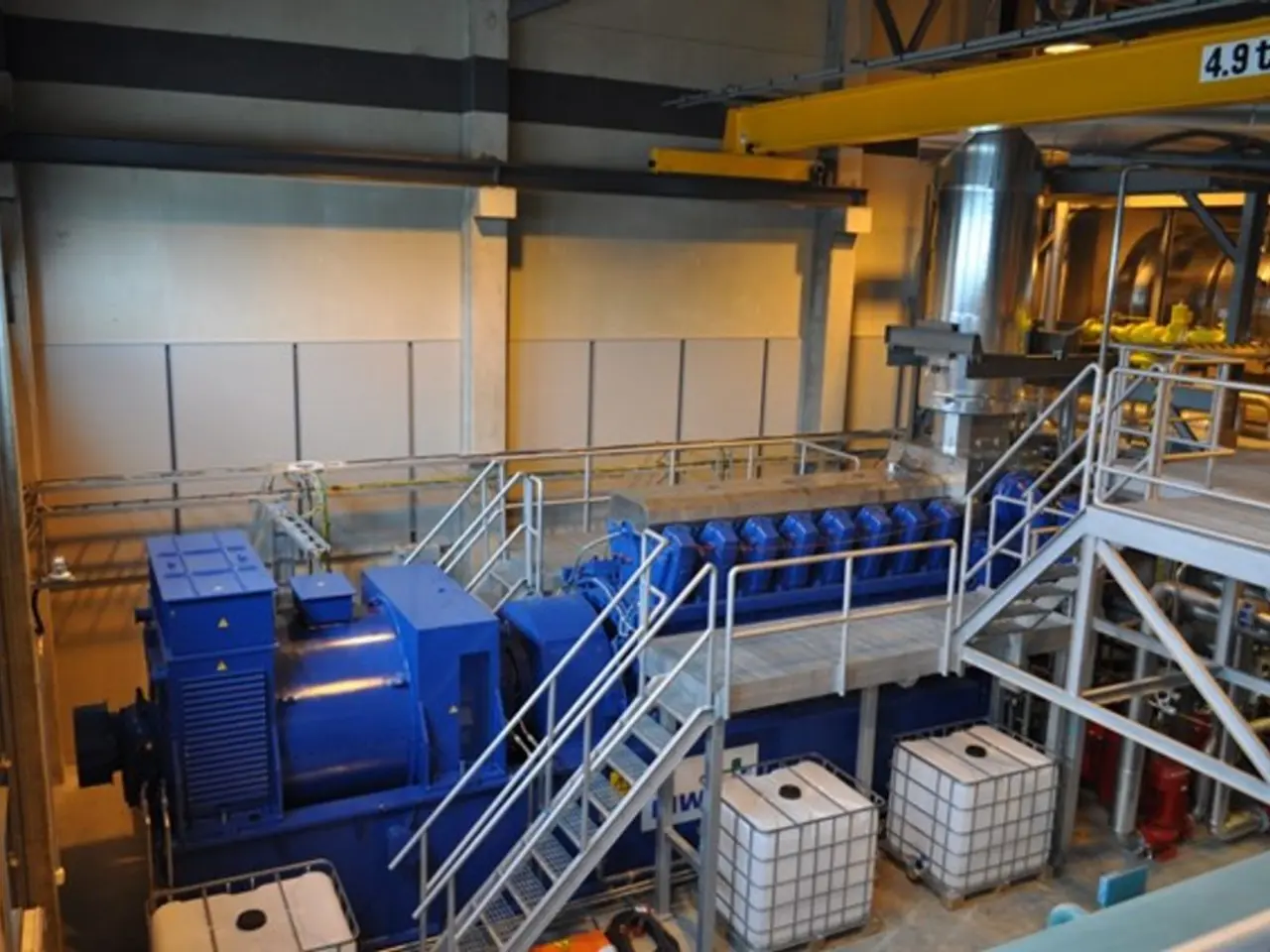
Logistics company PermaCold sets plans for constructing a $60 million site in the state of Georgia.
In the ever-evolving landscape of the transportation industry, recent trends and developments have presented both challenges and opportunities.
**Container Volumes** in the U.S. are expected to experience a sharp reversal due to the impact of tariffs. The increased tariffs have disrupted container market dynamics, leading companies like Maersk to cut their global container market outlook due to ongoing tariff wars[2][4].
**Tariffs** continue to have a significant impact on the industry. For instance, tariffs on Canadian imports have been raised from 25% to 35%, effective from August 2025. As a result, U.S. customs duties revenue has surpassed $100 billion due to these tariff increases during the fiscal year[2].
On a positive note, **truck parking in Ohio** has seen improvements with the opening of rest areas offering 40 truck parking spots. This move addresses a key bottleneck in the freight industry related to driver rest requirements[4].
In **Ohio**, Governor Mike DeWine and the Ohio Department of Transportation (ODOT) have announced substantial investments in transportation infrastructure. A total of $8.9 million has been funded for 26 projects aimed at improving access to commercial areas, supporting economic development, and creating jobs. Ohio is also leading with a $137.5 million investment focused on traffic safety, including pedestrian safety improvements and intersection redesigns such as roundabouts and restricted crossing U-turns (RCUTs)[1][3].
Regarding **tolling and CDL fees**, Delaware is set to increase tolls on August 15 and will also raise Commercial Driver’s License (CDL) fees in October, reflecting a broader trend of states adjusting fees to fund transportation infrastructure[4].
Meanwhile, **Paccar Inc.**, the parent company of Kenworth and Peterbilt truck manufacturers, is grappling with workforce reductions due to declining demand for trucks. This aligns with reports of significant declines in Class 8 truck orders and overall industry slowdowns[2].
In summary, the transportation industry is facing significant effects from tariff policy changes, impacting container volumes and profitability. States like Ohio are investing heavily in infrastructure and safety, including addressing truck parking shortages. Meanwhile, companies like Paccar are adjusting their workforce amid decreased demand, and toll and licensing fee increases are part of funding strategies in various states[1][2][3][4].
Additionally, **FedEx Freight** has announced a delay in the enforcement of NMFC updates for 150 days, providing some relief to the industry amidst these changes[5].
[1] https://www.transportohio.org/news/ohio-dot-announces-8-9-million-in-funding-for-26-projects-to-improve-access-to-commercial-areas [2] https://www.freightwaves.com/news/maersk-cuts-global-container-market-outlook-due-to-tariff-wars [3] https://www.transportationtoday.com/news/ohio-announces-137-5-million-investment-focused-on-traffic-safety [4] https://www.truckinginfo.com/368964/ohio-expands-rest-areas-to-accommodate-40-truck-parking-spots [5] https://www.freightwaves.com/news/fedex-freight-delays-nmfc-updates-150-days
Finance departments in states, such as Delaware, are considering toll increases and higher Commercial Driver’s License fees to fund their transportation infrastructure [4]. In contrast, the energy sector is supporting the economy through substantial investments in infrastructure, as shown by the Ohio Department of Transportation's $8.9 million investment in 26 projects [1]. These investments aim to enhance access to commercial areas, boost economic development, and create jobs [1]. Meanwhile, the finance sector's reliance on tariffs impacts the energy industry, particularly in the case of increased tariffs on Canadian imports, which are disrupting container market dynamics in the finance and transportation industries [2].




