
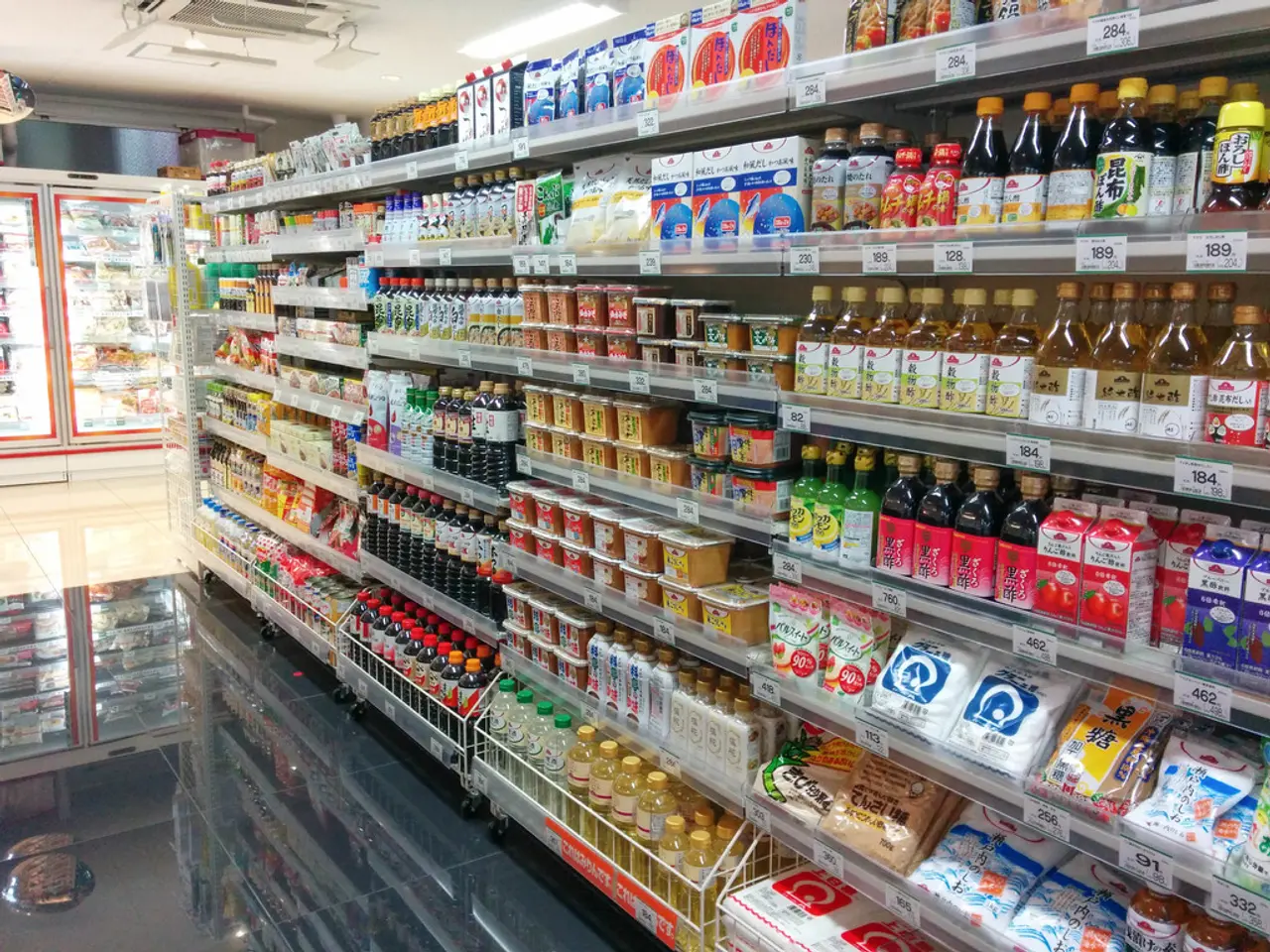
Prisma Peremarket's board chairman lamented that numerous Estonians are struggling financially, with some unable to afford basic necessities like food.
In a move that has caused ripples throughout the Estonian economy, the government has increased the Value Added Tax (VAT) rate from 22% to 24% as of July 1, 2025. This decision, while aimed at boosting government revenues, has raised concerns about affordability and financial hardship among consumers, particularly in the grocery sector.
Food products, including basics such as milk, bread, and vegetables, are fully subject to the standard VAT rate in Estonia. As a result, the VAT hike directly impacts grocery costs, leading to higher consumer prices and increased living expenses for many Estonians. This situation is further compounded by the fact that income tax is set to increase in 2026, resulting in reduced disposable income and more difficulty affording necessities.
The financial struggles of the Prisma Peremarket chain of stores, which continue to suffer annual losses of several million euros per year, can be partially attributed to this rising VAT rate. The falling demand for groceries in stores, due to the increased costs, has been a significant factor in the network's ongoing financial difficulties.
The government's ability to lower the VAT rate to provide relief is constrained by significant fiscal trade-offs. Reducing VAT on food from 24% to a lower rate like 13% would decrease state revenues by approximately €245 million annually, a substantial budgetary shortfall to fill. The government faces the challenge of balancing revenue needs (including new taxes like car tax and rising income tax) against calls for tax relief, limiting how much it can lower the VAT rate without impacting public spending or fiscal stability.
The rising VAT rate, combined with other tax increases and fiscal constraints, explains why many Estonians face increasing financial pressure. The government's emphasis on maintaining funds for defense suggests a prioritization of national security over domestic economic concerns. This decision may have exacerbated the financial struggles of citizens, particularly those who have insufficient funds for food.
A petition gathering over 93,900 signatures to reduce VAT on food reflects widespread concerns about affordability. However, the government's financial constraints may limit its ability to provide assistance to citizens struggling with food insecurity. The overall economy may also be impacted, given the potential effects of reduced consumer spending due to increased costs.
The current VAT rate in Estonia stands at 24%, a rate that has raised concerns about affordability and financial hardship for many citizens. As the government navigates these challenges, it remains to be seen how it will balance fiscal policy decisions with the needs of its citizens.
- The increased VAT rate on food products, now at 24%, is causing financial hardship for many Estonians, leading to concerns about affordability in the business sector.
- The government's decision to maintain the current VAT rate (24%) for food products, despite calls for tax relief, may have far-reaching implications on both business profits and consumer spending in the Estonian economy.




