
The essential insights for restaurant proprietors regarding the escalating shift towards office return
Return to Office Mandates: A Mixed Bag for Employers and Employees
The return to office (RTO) mandates, initiated by major corporations such as Amazon, JPMorgan, Starbucks, and Google, are reshaping the work landscape in 2025 [2][3][4]. These companies are requiring employees to return to the office from 3 to 5 days a week, after a period of remote or hybrid work during and following the pandemic.
Productivity and Collaboration
Employers implementing RTO mandates often believe that in-person work boosts productivity, especially through enhanced collaboration and innovation. This is cited as a reason by CEOs who have reversed earlier support for remote work policies [2][4]. Early data suggests a modest increase in office attendance (1.3% year-over-year increase in early 2025), which some correlate with productivity improvements. However, many companies still rely on flexible and hybrid collaboration tools to maintain engagement, recognizing that some work functions benefit from remote environments [3][4].
Despite the push towards office presence, evidence shows that increased mandates have not uniformly translated into significantly higher office attendance or clear productivity gains, indicating some tension between policy and actual outcomes [4].
Employee Turnover and Dissatisfaction
Return-to-office mandates have led to employee dissatisfaction among those preferring remote or more flexible work. This dissatisfaction has prompted some companies, like Starbucks, to offer voluntary exit programs with financial incentives as a way to manage turnover [3]. There are reports of firings for non-compliance with RTO policies at some firms, suggesting a stricter enforcement environment that can heighten employee stress and turnover risk [2].
Balancing Act
The tension between corporate expectations and employee preferences is driving a reevaluation of work arrangements. Some firms are investing in hybrid work tools to retain talent even as in-office days increase. This approach allows employees to balance the need for face-to-face interactions with the benefits of remote work [1][3].
Impact on Restaurant Industry
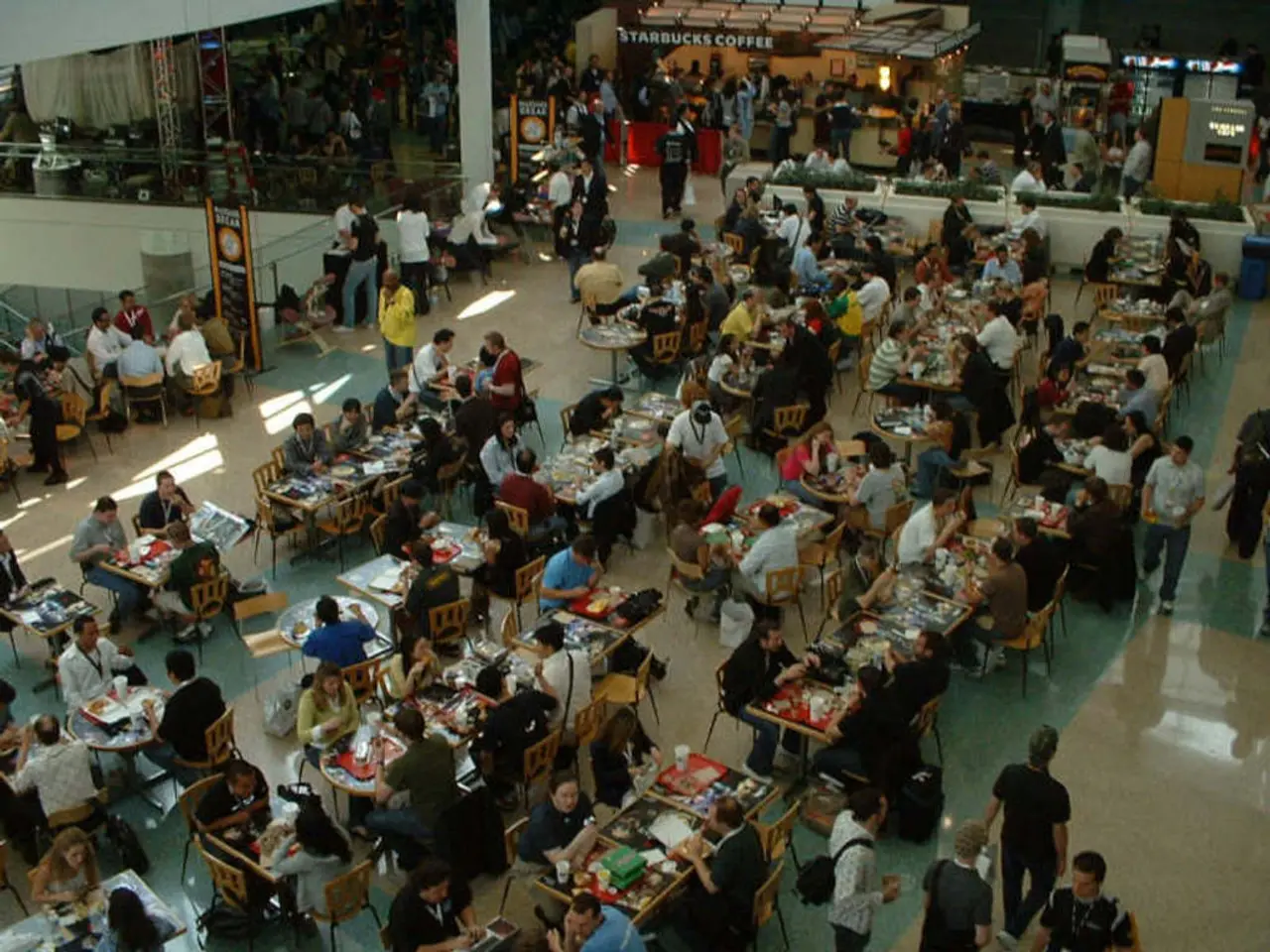
The steep decline in office occupancy after the pandemic hit hard restaurant companies that depended on those workers for lunches or midday beverages. As employees return to the office, companies like Starbucks could see a boost in sales [1].
In summary, while RTO mandates aim to increase productivity through in-person collaboration, they also risk increasing employee turnover due to dissatisfaction with reduced flexibility. Companies are balancing these factors by combining mandates with hybrid tools or exit incentives, but the full long-term effects on productivity and turnover remain complex and evolving in 2025 [1][2][3][4].
- As the demand for office lunches and midday beverages increases with the return to office mandates, businesses in the restaurant sector, such as Starbucks, might find a significant rise in their sales.
- For some individuals, the transition back to traditional 9-5 office jobs may influence their lifestyle choices and financial decisions, as the balance between productivity, job satisfaction, and work flexibility becomes an essential factor to consider in personal and business ventures.




