
Volkswagen endures significant financial setback due to Trump's tariffs, resulting in decreased profits
In 2025, the US tariffs on imported cars have dealt a significant blow to Volkswagen, causing a $1.5 billion loss in the first half of the year and a 16% plunge in North American sales. This financial setback has forced Volkswagen to lower its full-year profit guidance and seen major profit drops in key divisions like Audi and Porsche, which cut their margin forecasts as well[1][2][3].
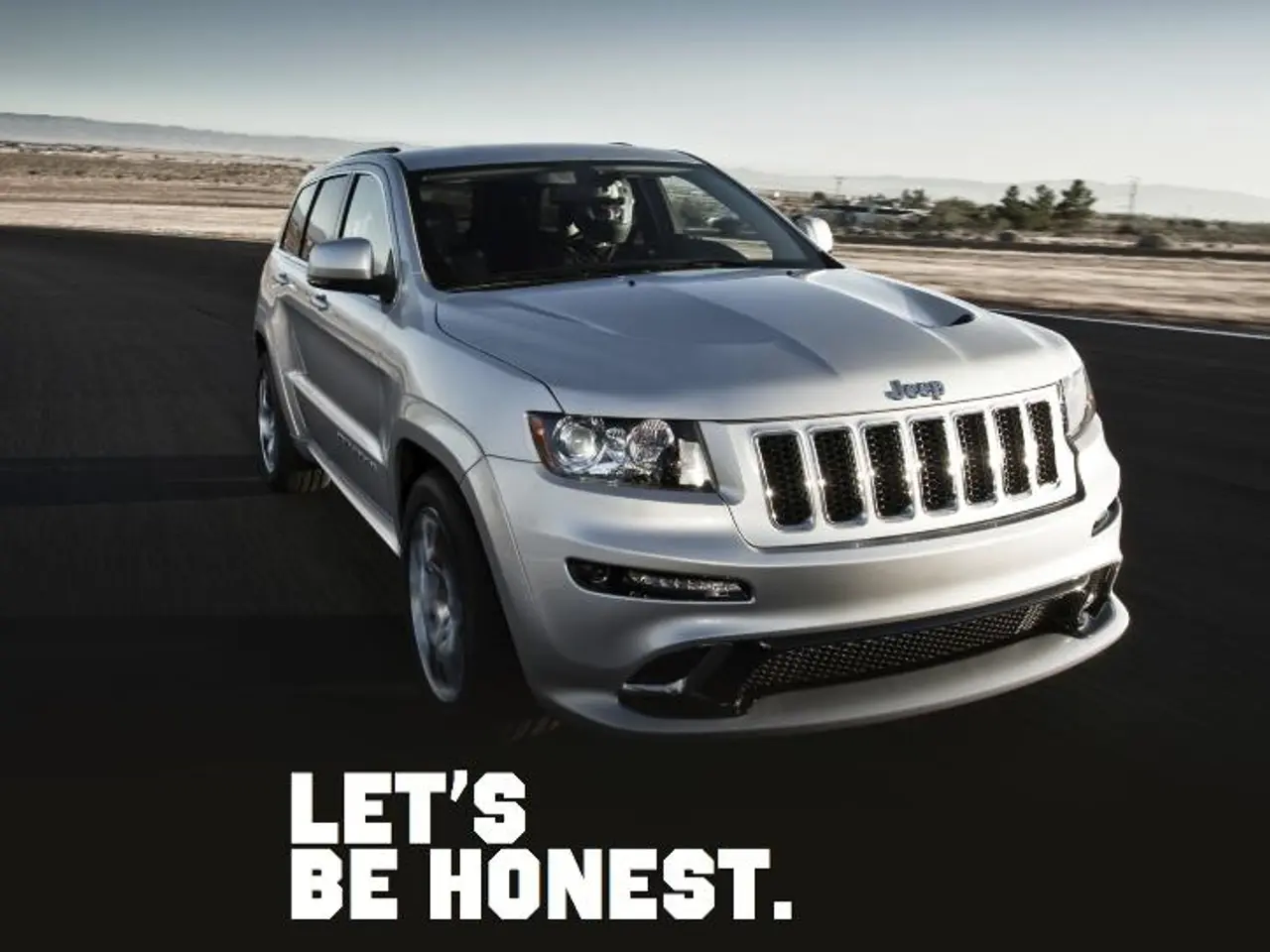
The impact of these tariffs is far-reaching, affecting other major automakers such as Stellantis and General Motors. Stellantis, a European carmaker with brands including Jeep, Citroen, and Fiat, saw a 25% decrease in North American vehicle sales by volume in the second quarter of the year due to the 25% tariff imposed by Trump[1][3]. Similarly, GM’s Q2 profit fell by $1.1 billion, with total tariff-related losses projected at $4–5 billion for 2025[1][3].
The tariffs have increased costs and disrupted supply chains spanning the US, Mexico, and Canada, raising prices and reducing competitiveness. However, there is some recent easing due to a US-EU trade pact that reduces tariffs on European cars, which is expected to help companies like Volkswagen and BMW by lowering costs to sell in the US market[4].
Volkswagen's finance chief, Arno Antlitz, stated that the company is "on the right track" and performing better than expected, excluding tariffs and restructuring costs. The company now forecasts a profit margin for the year of between 4 and 5 percent, down from 5.5 to 6.5 percent previously[1][2].
In a clear plea to negotiators, Volkswagen's CEO, Oliver Blume, stated that a balanced outcome on the tariff issue is the basis for a competitive economy on both sides of the Atlantic. Meanwhile, Metzler bank analyst Pal Skirta noted that Volkswagen's shares initially slipped but later rose more than three percent in morning trading, possibly due to Blume's statement about positive momentum for Audi and Porsche from 2026 onwards[1].
Efforts to mitigate the financial impact of tariffs also extend beyond Volkswagen. In December, the company struck an unprecedented deal with unions to cut 35,000 jobs in Germany by 2030 as part of plans to save 15 billion euros a year[5].
As US and European Union diplomats continue to negotiate to avoid a blanket duty of 30% on imported cars that Trump has threatened to impose after August 1st, the future of the European automobile industry remains uncertain.
References:
[1] Reuters, "Volkswagen's Blume sees positive momentum for Audi, Porsche from 2026 onwards," 2025.
[2] Bloomberg, "Volkswagen's Profit Plunges as Tariffs, Restructuring Costs Hit Results," 2025.
[3] The New York Times, "Volkswagen, Stellantis, and General Motors Suffer Multi-Billion-Dollar Losses Due to US Tariffs," 2025.
[4] Financial Times, "US-EU Trade Pact to Lower Tariffs on European Cars," 2025.
[5] BBC News, "Volkswagen Agrees to Cut 35,000 Jobs in Germany," 2024.
Politics and general news are abuzz with discussions about the impact of US tariffs on imported cars, particularly on the European automotive industry. The financial sector is grappling with the repercussions as well, with significant losses reported by companies like Volkswagen, Stellantis, and General Motors due to increased costs and supply chain disruptions [1][2][3]. The prospect of a balanced outcome on the tariff issue is crucial for both economies and the overall competitive landscape of the industry [1]. Concurrently, efforts to mitigate these financial impacts are underway, such as Volkswagen's job-cutting plan and a potential US-EU trade deal that could lower tariffs on European cars [4][5].




